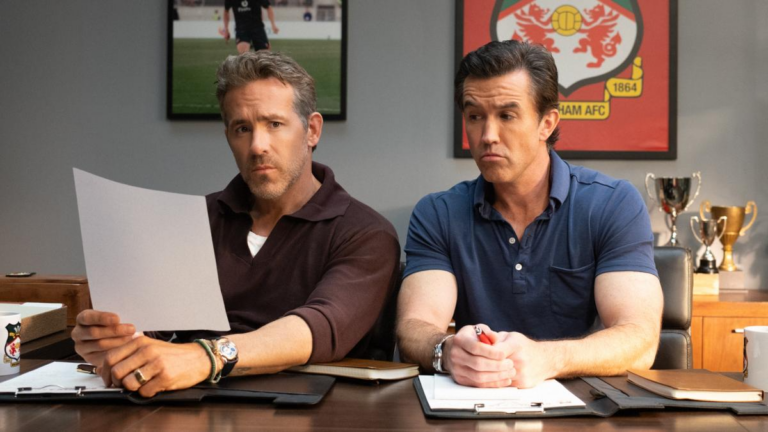
Ryan Reynolds and Rob McElhenney didn’t just transform Wrexham when they bought the club for £2 million in 2021. They created a commercial blueprint that’s changing how lower-league clubs think about sponsorship, proving celebrity ownership delivers actual revenue, not just publicity.
Wrexham earned £24.9 million in commercial income while playing in League Two, outperforming five Premier League clubs. This isn’t creative accounting or a lucky one-off deal; it shows Hollywood ownership genuinely altered what lower-league clubs can achieve commercially.
The model Reynolds and McElhenney built is now being copied. Tom Brady bought into Birmingham City, JJ Watt invested in Burnley, and both are trying to recreate what happened in North Wales.
Wrexham attracted sponsors who never touch League Two football
Before Reynolds and McElhenney arrived, lower-league clubs got their money from local firms. Car dealers, regional breweries, and community businesses covered the shirts because global brands saw no value at that level.
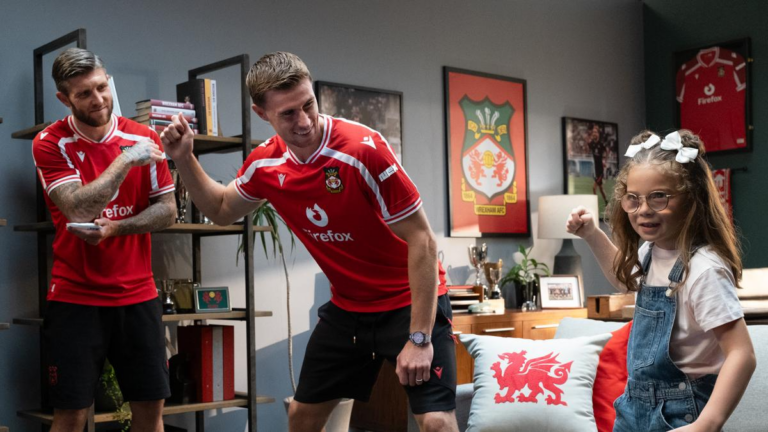
Wrexham flipped that logic. The club landed deals with TikTok, United Airlines, Expedia, Vistaprint, and HP—companies that usually only back Premier League or top Championship sides.
Revenue more than doubled to over £20 million and valuation hit £100 million, fifty times what the owners paid. Season tickets jumped from 2,609 in 2019 to 6,820 in 2022.
The Welcome to Wrexham documentary pulled in $3.2 million on its own. ESPN viewing numbers shot up 858%, hitting roughly 100 million households. Sponsors weren’t just buying access to 12,000 fans at the Racecourse Ground anymore.
Social media amplified everything. Twitter followers increased 1,040%, Instagram climbed 3,111%, and TikTok went from nothing to 1.2 million followers. That reach turns fourth-tier football into something global brands actually want.
Other celebrity owners tried copying Wrexham without understanding why it worked
Tom Brady joined Birmingham City’s ownership in 2023. JJ Watt put money into Burnley the same year. Both brought headlines and attention, but neither matched Wrexham’s commercial results.
The gap isn’t about fame levels. Reynolds and McElhenney grasped that the documentary wasn’t an add-on—it was the foundation. They built content creation into the ownership plan from the start, giving sponsors material they could use across their own channels.
Birmingham and Burnley got news coverage when their celebrity backers signed on. Wrexham built ongoing attention that turned into sponsorship deals, shirt sales, and sold-out American tour matches.
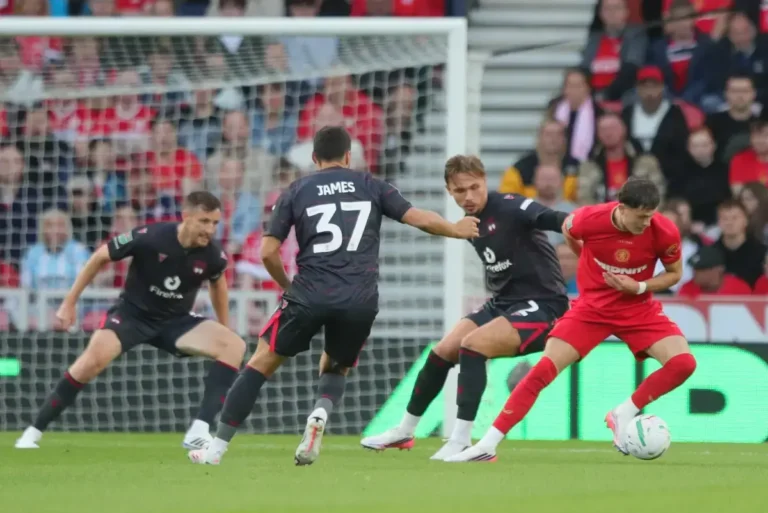
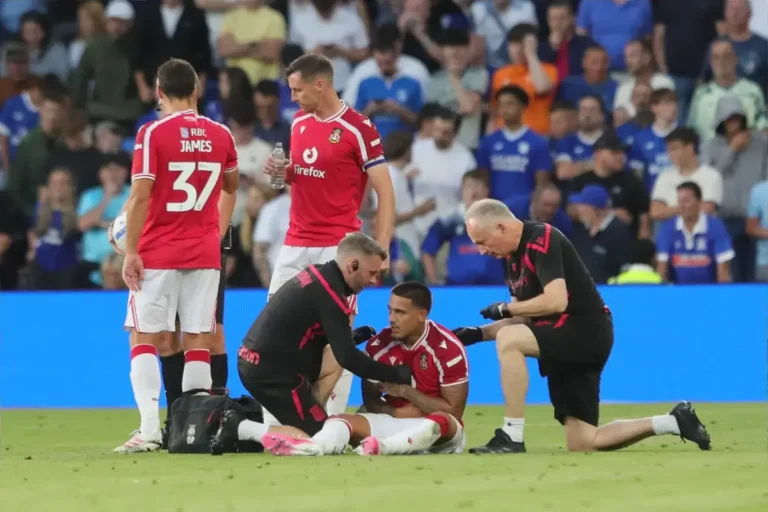
The numbers tell the story. Wrexham’s £24.9 million in commercial revenue while in League Two beat clubs playing top-flight football. That’s not about Phil Parkinson’s side winning games—it’s about creating a commercial operation that works regardless of league table position.
Reynolds and McElhenney showed lower-league clubs they don’t need to settle for modest local deals and limited revenue. Wrexham established a new model: globally recognized, commercially strong clubs operating in the fourth tier but functioning like established brands. Other celebrity owners are following, but Wrexham wrote the playbook everyone else is scrambling to copy.
Photo © Gage Skidmore, licensed under CC BY-SA 2.0
About The Author