Credit: WrexhamAFC.co.uk
Parkinson’s January transfer strategy does not involve the market. Seven players returning from injury will provide the squad depth Wrexham need through the busiest period of the season.
Wrexham sit 10th in the Championship and unbeaten in eight games after spending more than £30m on 13 summer signings. The investment has delivered immediate returns with the squad just three points from the play-off places in the table.
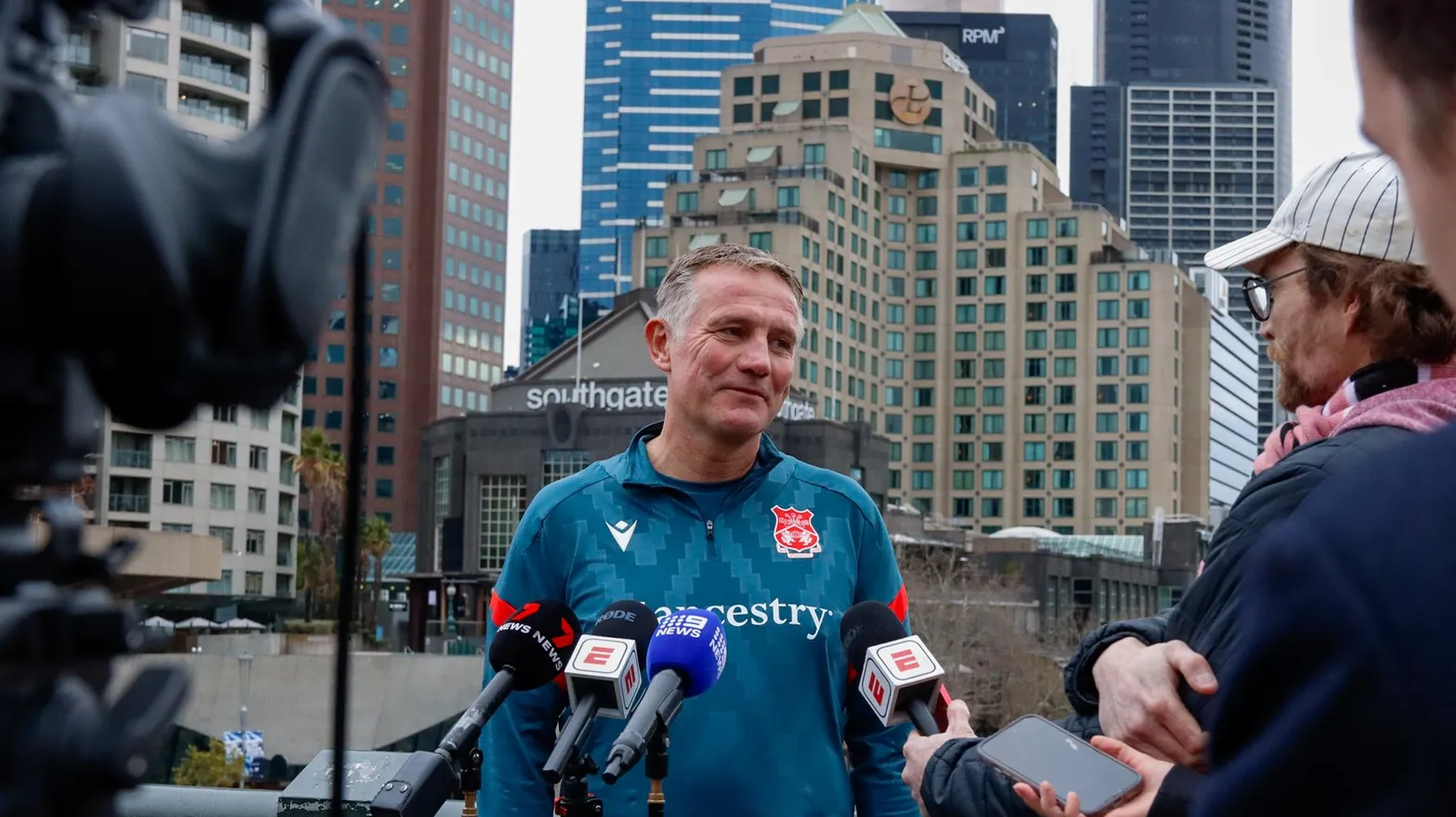
Phil Parkinson has made his position clear on January recruitment. “We made a lot of changes in the summer and we feel a lot of players have now settled into new houses in the area and are getting to know the environment,” he said.
The Reds boss recognises continuity matters more than disruption. Wrexham’s methodical approach to squad building has underpinned their rise through the divisions, and January represents an opportunity to strengthen that foundation rather than rebuild it.
The current form validates the summer recruitment strategy. Each of the 13 new arrivals has contributed to a campaign that has exceeded external expectations while meeting internal targets.
Seven players provide natural squad reinforcement
Libby Cacace, Issa Kabore, Lewis Brunt and Elliot Lee are all returning to fitness ahead of the January Transfer window. Their availability adds depth without disrupting the chemistry built during the unbeaten run.
Danny Ward, Andy Cannon and Jay Rodriguez represent even more significant additions. The trio were not included in Wrexham’s 25-man squad for the first half of the season due to long-term injuries.
“We’ve got Wardy coming back, Brunty to come back, Issa and Libby coming back, Jay, Andy and Elliot, so there’s a lot of players,”
Parkinson explained. Their returns effectively equal a major transfer window without the cost or risk of new signings.
Ward’s experience and goal threat will strengthen attacking options that have already proven effective. Rodriguez brings Championship pedigree that few promoted sides can call upon from the treatment room.
Cannon’s return adds midfield control and composure. The three players missing from the 25-man squad represent quality that was always planned for, just delayed by circumstance.
Christmas schedule demands bodies, not new faces
The fixture congestion through December and January requires squad rotation rather than big-money additions. Parkinson recognises the timing of these injury returns aligns perfectly with the club’s needs.
“It will be great for the club going through the Christmas schedule and once we get into January, to have those options back in the squad as well,”
he said. The pragmatic approach reflects confidence in existing recruitment decisions.
Phil Parkinson has not ruled out additions entirely. “We’ll always have one eye on it if the right player comes available, obviously,” he noted, but the emphasis remains on continuity rather than disruption.
The summer spending included record signing Nathan Broadhead, who has already justified the investment with crucial goals. Adding more players risks unsettling a squad that has found its rhythm and identity in the second tier.
January premium prices make the returns from injury even more valuable financially. Transfer windows can define seasons, but Wrexham’s definition comes from fitness rather than spending.
The stability creates platform for sustained challenge. Players settling into the area, forming relationships, and understanding tactical requirements cannot be replicated through January additions alone.
The returns from injury provide Wrexham with depth and flexibility without January premium prices. Parkinson’s faith in his existing squad reflects both the quality of summer recruitment and the club’s methodical approach to squad building that has defined their ascent through English football.
About The Author