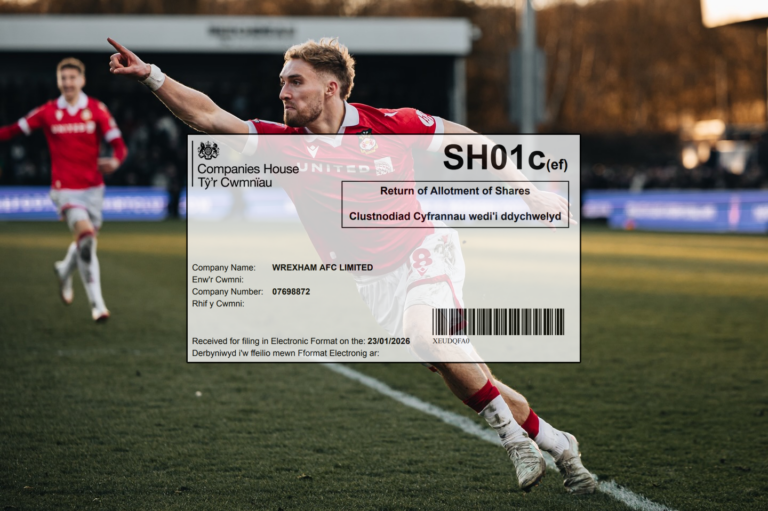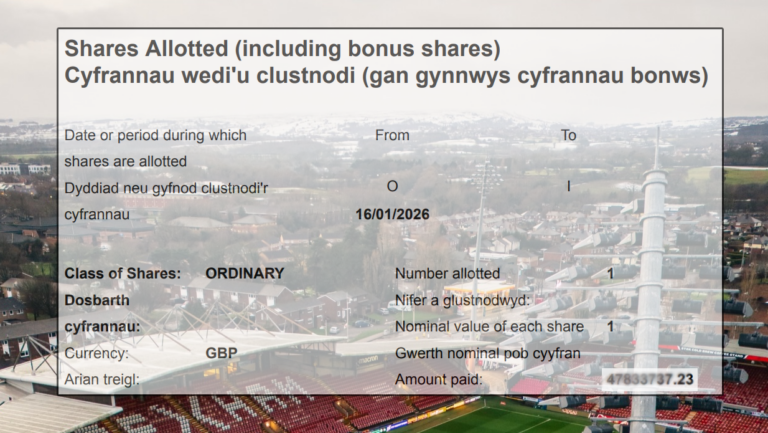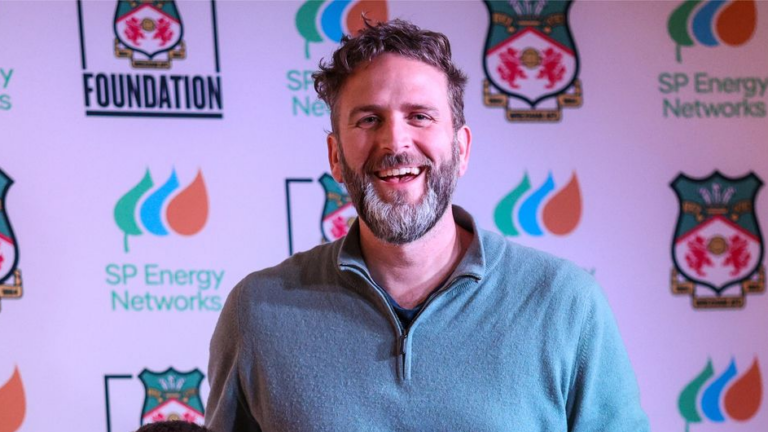

Ryan Reynolds and Rob Mac. Credit: Oliver Upton/FX
Wrexham’s £18m grant from the Welsh government has split opinion, but not in the way headlines suggest. The reaction from supporters shows most understand this isn’t a handout to Hollywood owners, it’s infrastructure funding the club earned through legitimate process. The minority raising questions about priorities deserve acknowledgment, but the majority recognise what this actually represents.
The funding will support the new Kop stand and bring the Racecourse Ground to international standards. Other clubs received similar grants through the same process, including Plymouth Argyle, Swansea City, and Bradford City.
Rex Roberts captured the sentiment clearly in response to criticism. “There is no ‘Hollywood backing’. It’s just two guys who invested in a club and covered essential costs to turn a profit,” he wrote. “The £18m is what any club applying for funding would get despite the investment source.”
That comment received widespread agreement from other supporters who recognised the distinction between legitimate process and preferential treatment.
The split reveals what fans actually value
Tommy Roberts expressed pride that money stayed local rather than funding projects outside Wales. John Roberts agreed, noting government helps “clubs who do a lot of work to better themselves and their local community.”
Val Davies represented the opposing view, suggesting the money should go to hospitals or hospices. Nia Marshall Lloyd questioned why sport receives government funding when “basic life needs are in multi £ deficit.”

Both perspectives hold weight. Schools in Wrexham reportedly face a £3m budget deficit, and the council leader warned redundancies may be inevitable without increased funding. But the club’s grant came from Welsh government allocations, not council budgets, and the stadium must be made available for other sporting events and concerts.
Most fans recognise what the club earned
Ru Barlow cut through the debate with practical reasoning. The owners took risks, spent their own money, and generated results. The club’s revenues jumped from £10.5m to £26.7m in a year, creating a foundation that justified infrastructure investment.
Andy Millar went further, arguing the owners
“Have done more for a community than any local council or any elected party.”
Dennis San Vicente explained the economic logic:
“The community is investing in the team because it has generated global interests, worldwide fanhood and additional sports tourism”
The ownership’s impact extends beyond match days. John Mord, who spent 60 years with no interest in football, now follows Wrexham’s progress after watching the documentary series. That cultural shift represents the broader transformation that made infrastructure investment viable.
The fan reaction shows most Wrexham supporters grasp the difference between earned investment and preferential treatment. Questions about priorities are legitimate, but the funding process was standard and the infrastructure benefits extend beyond match days. The divide isn’t about the £18m itself, it’s about whether the club deserved it. Most fans already know the answer.
About The Author