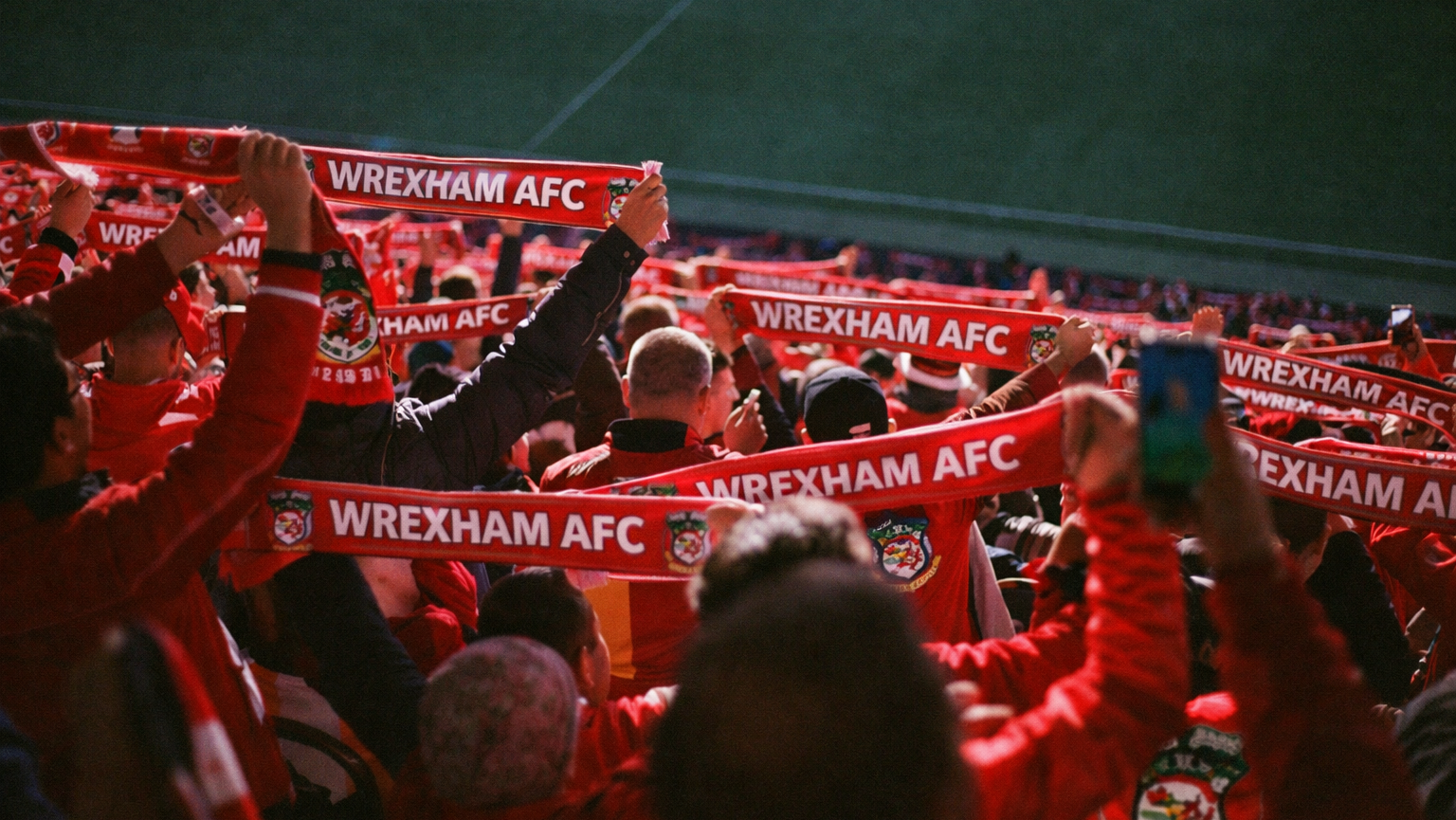
Reynolds and McElhenney turned fourth-tier football into a commercial operation that rivals clubs three divisions higher. Wrexham secured sponsorship revenue during their League Two season that matched what Premier League sides earn from the same partnerships.
Goal.com reported commercial revenue surged from £1.9 million to £13.2 million in a single season. The jump happened while Wrexham competed in League Two.
Lower-league clubs never operated at this scale before. Digital Spy noted that League Two sponsorships typically fell below £100,000 annually before Wrexham’s transformation.
United Airlines paid Premier League money for fourth-tier exposure
The United Airlines partnership proved the point. Sky Sports confirmed the deal was worth between £5 million and £6 million annually.
That figure matched what Brentford earned in the Premier League. Burton Albion’s entire turnover barely reached the value of Wrexham’s shirt sponsorship alone.
United’s chief advertising officer was blunt about it. Maggie Schmerin told Marketing Brew the airline would probably never fly to Wales, but one of the most popular football teams in America happened to play there.
“We’ll probably never fly to Wales, but it just so happens that one of the most popular soccer football teams in the states happens to play in Wales. The success of this team, through the Welcome to Wrexham documentary, through Rob and Ryan’s social channels, that was something that we wanted to be a part of.”
Traditional sponsorship metrics meant nothing here. The Drum noted the documentary delivered 140 million Super Bowl viewers and global streaming audiences. Geographic reach and match attendance no longer mattered.
The financial transformation happened entirely during Wrexham’s League Two campaign. The model worked at the fourth tier of English football.
The documentary created a commercial model other clubs cannot copy
Welcome to Wrexham changed what shirt sponsorship could deliver. The club’s accounts stated the documentary provided a marketing platform that could be monetised through television exposure for partners.
Global brands entered lower-league football for the first time. TikTok signed as front-of-shirt sponsor when Wrexham played in the National League. HP and Expedia followed with partnerships that would have been unthinkable for a fourth-tier club before 2021.
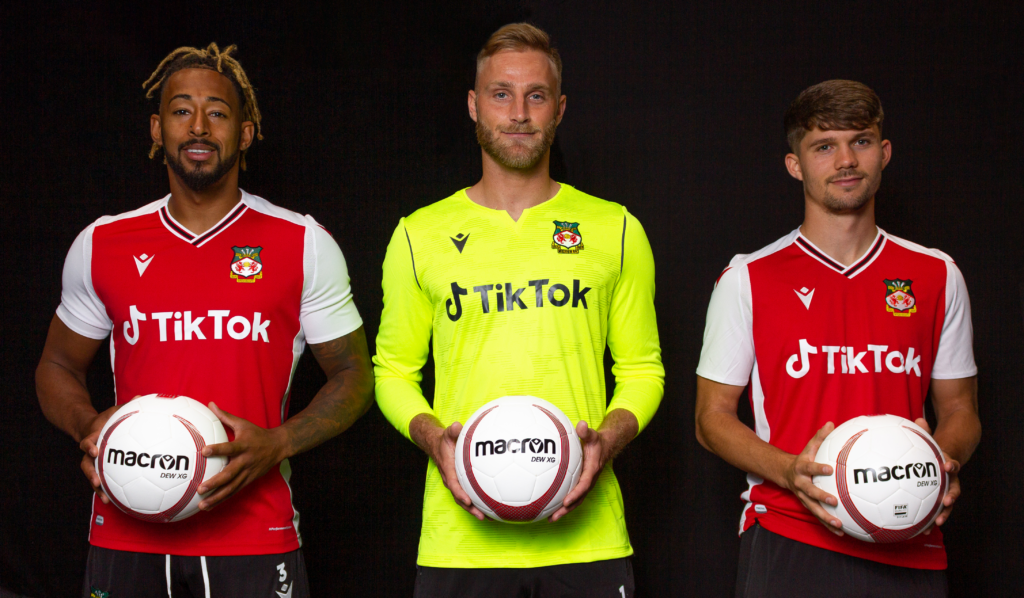
The financial separation from League Two peers became permanent. While Wrexham generated commercial revenue exceeding £13 million, typical clubs at that level scraped together sponsorship deals worth five figures.
International revenue proved the Hollywood model worked. Sky Sports reported that 52.1 percent of Wrexham’s turnover came from outside Europe, primarily North America.
Most clubs lack both celebrity access and media infrastructure at this scale. Reynolds and McElhenney brought production capabilities, established distribution networks, and genuine star power that other clubs simply do not have.
Wrexham proved lower-league clubs could generate Premier League commercial revenue with the right platform. The documentary delivered global exposure that traditional fourth-tier football never receives. Reynolds and McElhenney made the model work, but only for clubs with similar media reach and distribution capability.
About The Author