
The Wrexham Story
The closure of the coal mines and Brymbo Steelworks in Wrexham, North Wales had a significant impact on the local community. For decades, the coal mining and steel industries were major employers in the area, providing jobs and a way of life for many families. However, with the decline in demand for coal and steel, the closure of these industries was inevitable, leaving many people without work and struggling to make ends meet.
The closure of the coal mines and Brymbo Steelworks in Wrexham had a ripple effect on the local economy. Many businesses that relied on these industries for customers also suffered, with some closing down altogether. The closure of these industries had a knock-on effect on the wider community, with the loss of jobs and income leading to a rise in poverty and unemployment.
The impact of the closures was felt most keenly by those who worked in the industries. Many of these workers had spent their entire lives in the mines and steelworks, and the closures had left them with few options for employment. Some had to move away from the area in search of work, while others were forced to take low-paying, insecure jobs.
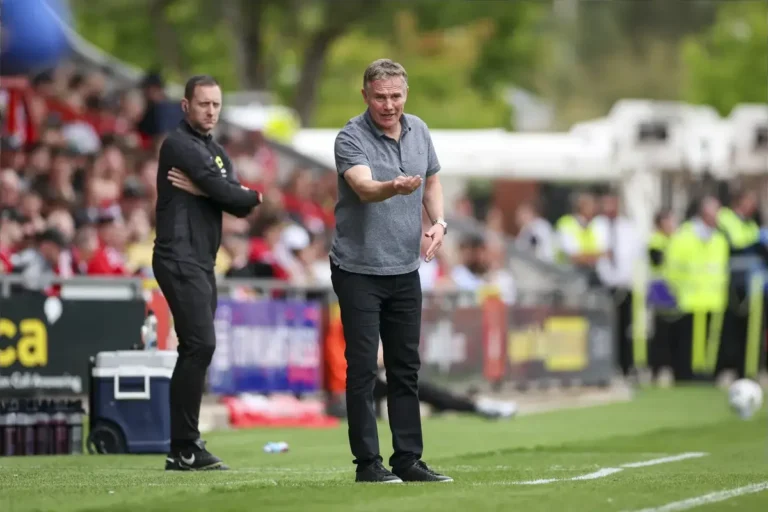
Despite the challenges posed by the closures of the coal mines and Brymbo Steelworks the people of Wrexham persevered and at the heart of the community was the football club Wrexham AFC.

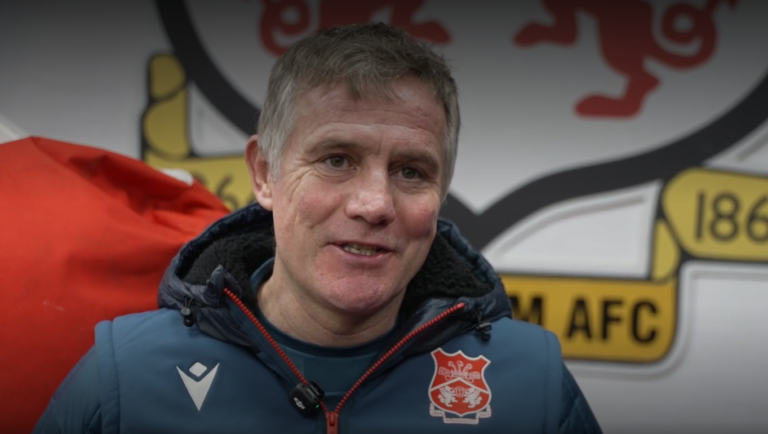
For so many of us, the football club provided and continues to provide a sense of identity, pride, and belonging to the community.
Many times, Wrexham FC beat teams far higher up in the football league. The FA Cup third-round match in 1992 is Wrexham’s most famous giant-killing victory. Wrexham, then playing in the fourth tier of English football, shocked the reigning First Division champions Arsenal with a 2-1 win at their home ground, the Racecourse Ground. Mickey Thomas scored a stunning free kick to equalise for Wrexham before Steve Watkin scored the winning goal.
Modern football brings its pressures and the club struggled to compete against teams with far greater budgets. Despite poor runs of form the club supporters continued to support the club. As the song goes, they were ‘fearless in devotion.”
Between 2001 and 2004, Wrexham Football Club was owned by Alex Hamilton and Mark Gutterman, a period that was the darkest in the club’s history. The two “businessmen” bought the club in 2001 for £1 and promised to invest in its future, but they quickly became embroiled in controversy and mismanagement.
The fans of Wrexham Football Club found out through tireless investigations about the plans to develop the Racecourse Ground in 2002, when it was revealed that then-owner Alex Hamilton had sold the ground to a property developer without consulting the fans or the local community. The fans and local politicians immediately protested against the sale, arguing that the Racecourse Ground was a historic site that should be preserved for the benefit of the community.
The then owners called the fans “luddites” as they thought they had the money to bulldoze the ground and crush the spirit of the community.
They were wrong.
The fans of the club rallied together to create a supporter’s trust.
The Wrexham Supporters Trust (WST) launched a legal challenge against the sale, arguing that it was unlawful, and that Hamilton had breached his fiduciary duties as a director of the club. The case went to the High Court in London, where the judge ruled in favour of the WST, stating that Hamilton had acted improperly, and that the sale was invalid.
The WST then launched a community-led campaign to save the Racecourse Ground and to secure the club’s future. In 2011, the WST successfully took over ownership of the club, becoming the first supporter-owned club in Wales. The WST invested what it could in the club’s infrastructure and facilities, including the Racecourse Ground, and worked to strengthen the club’s ties with the local community.
The legal victory and subsequent community-led campaign to save the Racecourse Ground is often cited as an example of the power of collective action and community involvement in preserving the heritage and identity of local football clubs.
Turning to present day.
In September 2020, amid the ongoing COVID-19 pandemic, which was a very strange time for all of us all over the world, Hollywood actors Rob McElhenney & Ryan Reynolds made a surprise announcement that they wished to purchase Wrexham AFC. Having been told the story and being made aware of the community spirit.
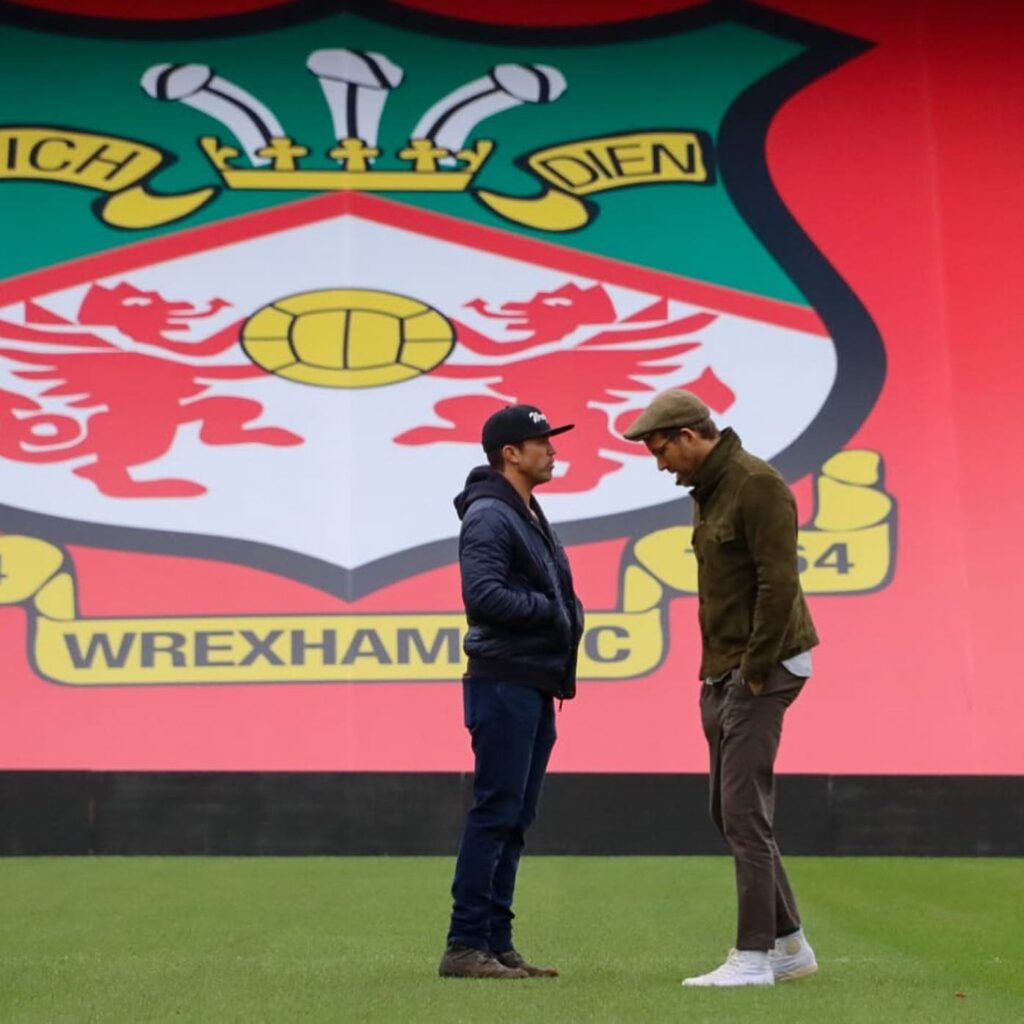
The announcement came at a time when many football clubs were struggling financially due to the pandemic, and the news of the Wrexham takeover provided a welcome boost to the club and its supporters. The people of Wrexham were understandably apprehensive at first however Rob McElhenney & Ryan Reynolds have shown clear commitment investing in the club’s infrastructure and facilities and involving the local community in the club’s future.
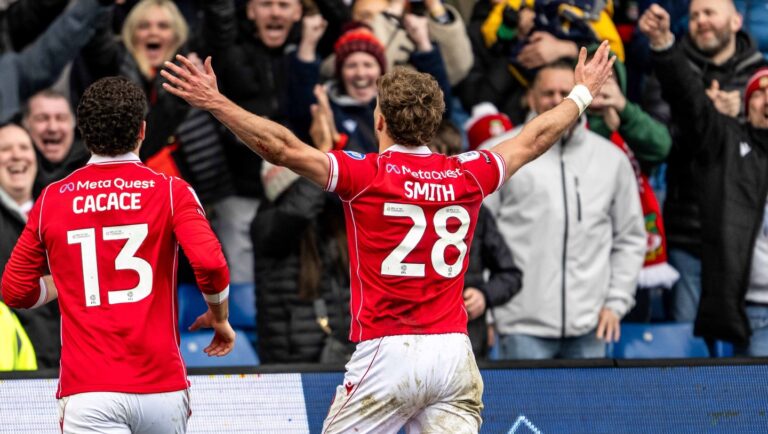
The fans have been fearless in their devotion and the club after 15 long years in the National League has finally risen to promotion.
We are very grateful to Humphrey Ker, Rob & Ryan for raising the profile of this great town around the world.
But the community spirit has always and will always be here.