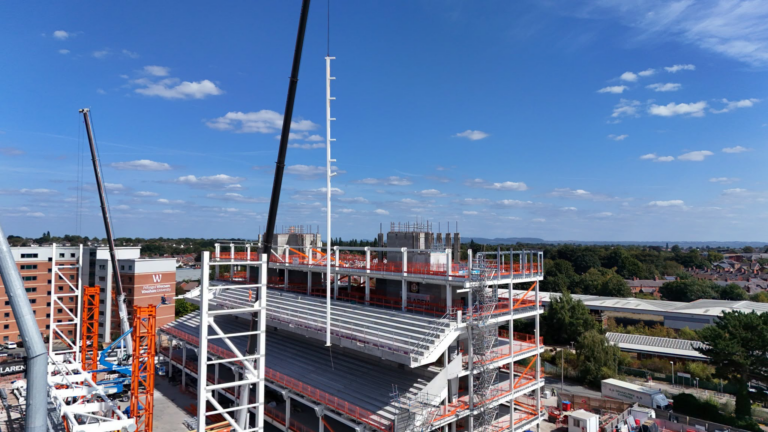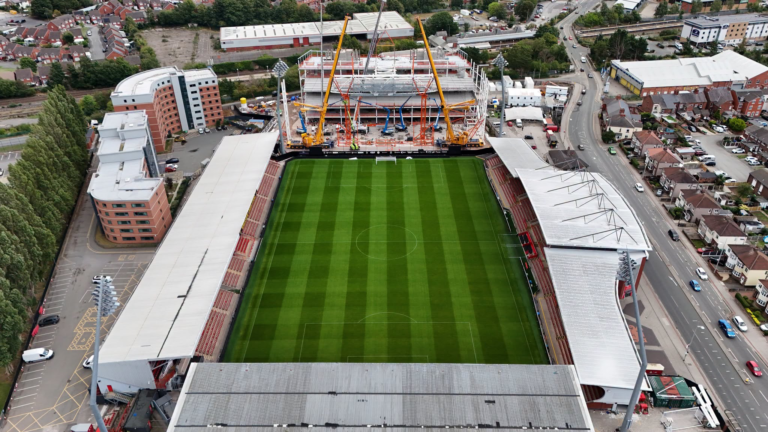

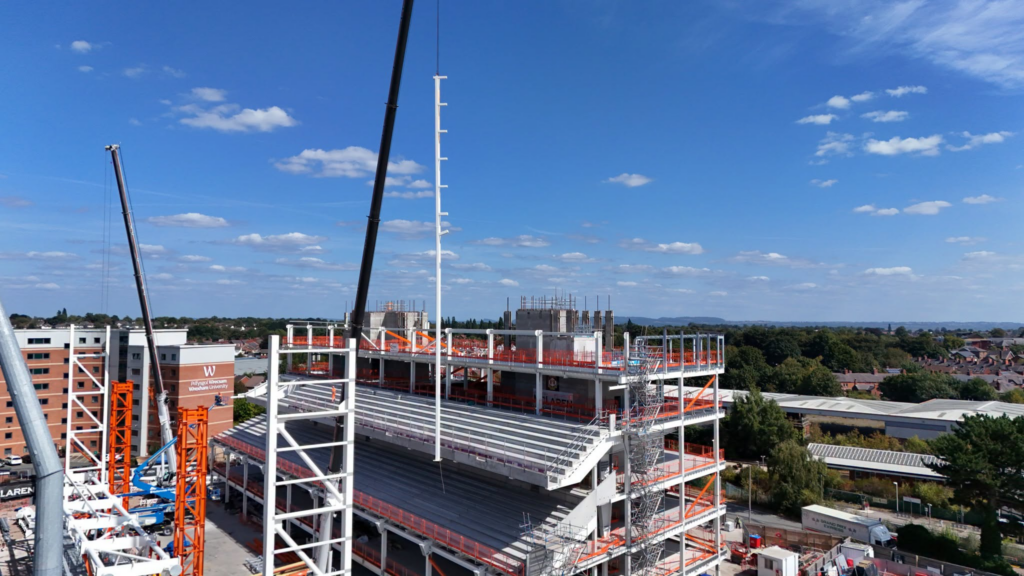
Wrexham AFC’s newly approved Kop expansion could help bring more Wales internationals back to the Racecourse Ground, with the 7,750-seat stand set to push capacity beyond 18,000 at the historic venue.
This decision goes beyond Wrexham’s own matchdays. The club has said the larger stand is intended to future-proof the Racecourse for international football, and that ambition matches the FAW’s stated interest in using the ground more often.
It does not mean every major Wales game can suddenly move north. Capacity will still be an issue, especially for senior men’s competitive matches where the FAW has thousands of campaign-ticket holders, but an 18,000-plus Racecourse opens up far more possibilities than the current three-sided set-up.
FAW has made its intentions clear
FAW chief executive Noel Mooney described the Racecourse as the “spiritual home” of Welsh football in September 2026. Speaking about the redevelopment, he also said the association would “love to play more internationals there”.
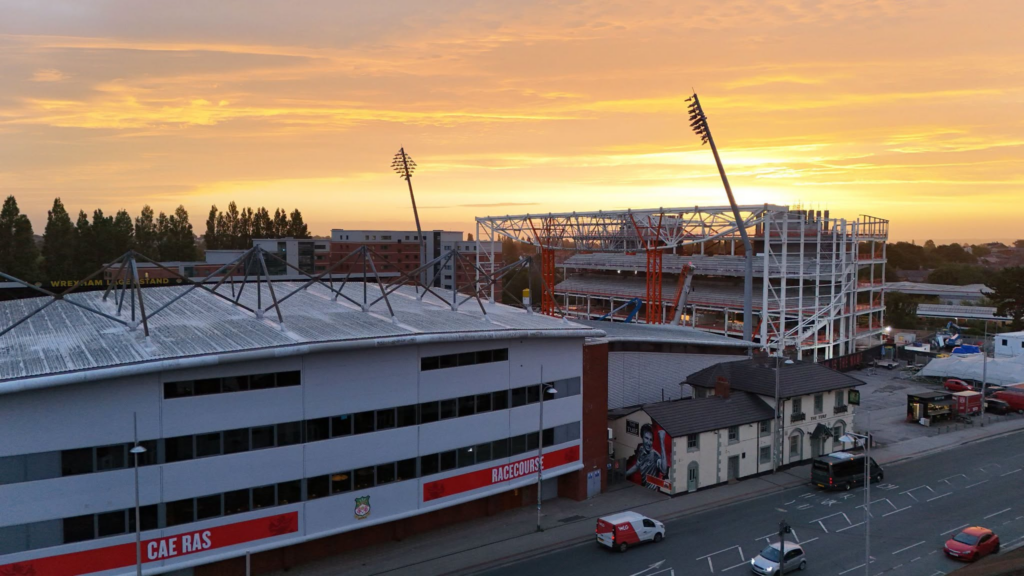
Mooney spoke positively about the relationship between the FAW and Wrexham AFC, adding that both the men’s and women’s teams enjoy playing at the ground.
The new Kop gives the FAW greater scope to do just that. Wrexham have confirmed the second tier can add another 2,250 seats to the previously approved 5,500, taking the overall ground beyond 18,000.
The Racecourse has already welcomed Wales back
The senior men last played there in October 2023, beating Gibraltar 4-0 in front of 10,008 supporters. Ben Davies and Nathan Broadhead scored before Kieffer Moore struck twice on a night that brought the national side back to Wrexham.
More recently, the ground hosted five games at the 2026 UEFA Under-19 European Championship, including all three Wales group fixtures, a semi-final and the final.
The Racecourse’s international story stretches back almost 150 years. Guinness World Records recognises it as the oldest international football ground still in use, with Wales first playing Scotland there in 1877.
Why 18,000 seats will not solve everything
Mooney has explained that major competitive fixtures are difficult to stage in Wrexham because the number of campaign-ticket holders can exceed the stadium’s capacity. An expanded Racecourse therefore does not automatically mean the biggest qualifiers will move away from Cardiff.
There is plenty of international football beyond those occasions, though. Friendlies, selected competitive fixtures, women’s internationals and youth tournaments provide other opportunities for the Racecourse.
For Wrexham, another 2,250 Kop seats are primarily about accommodating the club’s growing support. An 18,000-plus Racecourse could also give Welsh football more opportunities to return to its historic home in the north.
About The Author