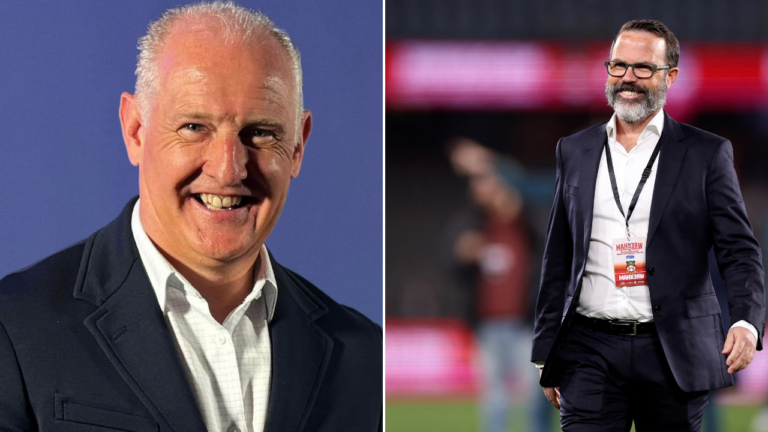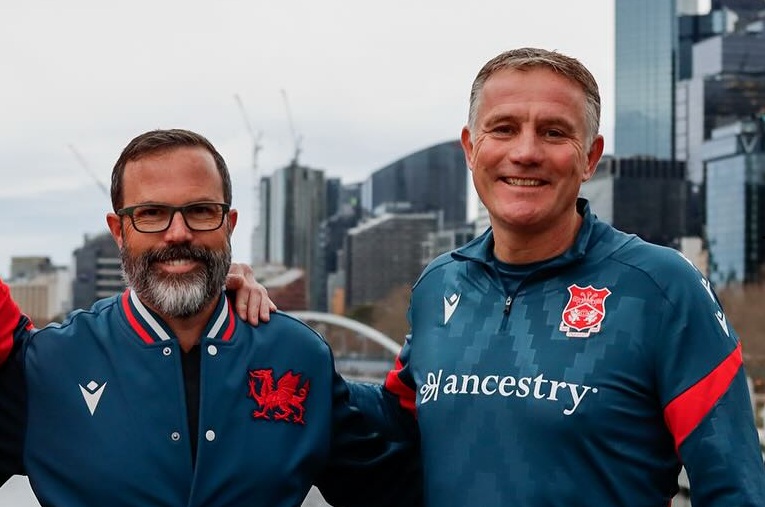
Humphrey Ker will be leaving Wrexham AFC in September 2026 after more than five years at the club, bringing an end to one of the most unusual and influential roles in the modern history of the Racecourse.
There are plenty of obvious landmarks from his time in North Wales. Three straight promotions changed the club’s level, profile and expectations, but Ker’s greatest contribution arguably came before any of those, when he helped turn Wrexham into the club Rob McElhenney wanted to buy.
The moment before everything changed
The story starts during lockdown. Ker, working alongside McElhenney on Mythic Quest, recommended Sunderland ’Til I Die as a way of showing him just how much football clubs in Britain can mean to their communities.
McElhenney watched it and came back with the line which, in hindsight, sits right at the beginning of everything that followed.
“We should do this. Buy a football team.”
Wrexham was not part of the picture yet. There was simply an idea, and plenty still had to happen before that idea became a takeover capable of transforming a football club.
Ker then helped make Wrexham the choice
McElhenney asked Ker to investigate possible clubs, so he began working through locations, histories and fanbases. It was hardly a conventional scouting operation, but the process eventually put Wrexham at the top.
Ker later explained that Wrexham scored 38 points out of 50 in his assessment, with Hartlepool United among the closest alternatives. Geography, history, support and the bond between club and community all counted in Wrexham’s favour.
That part of his legacy is easily overlooked now. Wrexham feels like the natural home for McElhenney and Ryan Reynolds because everything since has made the partnership seem almost inevitable, but there was nothing inevitable about it in 2020.
The promotions belonged to Parkinson and his players
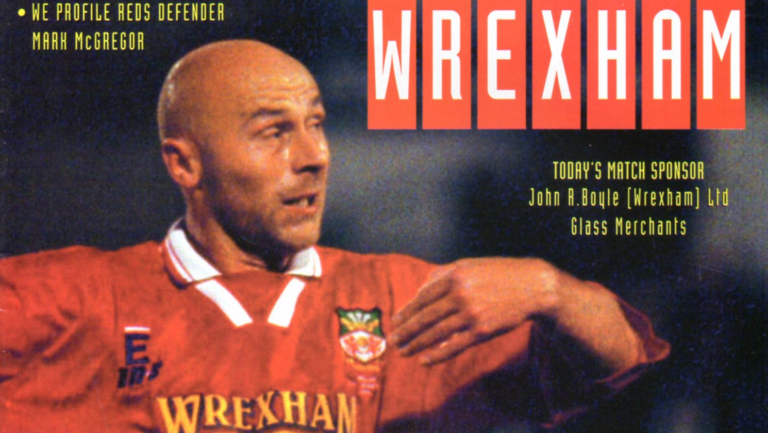
Once the takeover happened, the defining football decision was appointing Phil Parkinson. Ker was involved there too, with Wrexham’s announcement of Parkinson in July 2021 naming him alongside Les Reed, Shaun Harvey and Fleur Robinson as part of the recruitment process.
The credit for what followed belongs on the football side. Parkinson and his staff built the teams, the players produced when the pressure was enormous, and three successive promotions were earned across three demanding seasons.
Ker’s biggest contribution came before the success
That distinction strengthens Ker’s legacy rather than diminishing it. His most consequential work came in creating some of the conditions from which everything else could grow.
He introduced McElhenney to the emotional pull of British football, helped turn that fascination into a serious project and then played a central part in identifying Wrexham as the right club. By the time the team had reached the Championship, the operation had grown far beyond the unusual role Ker occupied at the beginning.
Wrexham’s rise belongs to many people. Yet as Ker steps away from the club and Foundation boards, his departure is a reminder that before the promotions, documentary and global attention, somebody first had to point Rob McElhenney towards Wrexham.
About The Author