Wrexham could see increased financial support under a Premier League proposal put to EFL clubs in September 2026, with more than £1.5 billion in additional solidarity funding proposed over the next decade compared with current arrangements. The deal remains under discussion, but its funding conditions and proposed changes to parachute payments could have consequences for clubs competing in the Championship.
The proposal was presented to all 72 EFL clubs after being backed by Premier League clubs in July. It is not a finalised agreement, and there is no confirmed figure showing exactly how much Wrexham would receive.
The Premier League wants an agreement that allows additional money to reach EFL clubs this season, rather than the leagues relying on intervention through the Independent Football Regulator’s backstop process.
What the £1.5bn proposal means for Wrexham
The headline figure represents an increase of more than £1.5 billion in solidarity payments compared with current arrangements, spread across 10 years. One condition would require EFL clubs to allocate 15 per cent of the solidarity funding they receive to infrastructure projects.
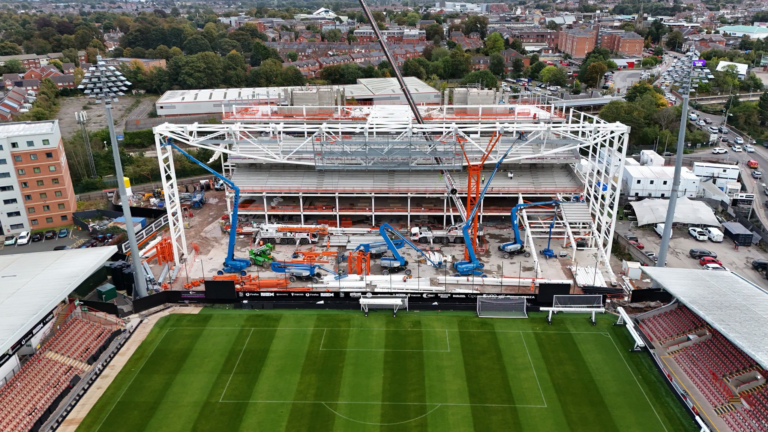
That detail is particularly interesting in Wrexham’s case given the scale of the club’s growth through the leagues. Wrexham’s latest accounts, covering the year ending 30 June 2025, recorded turnover of £33.33 million, staff costs of £19.94 million and an operating loss of £14.84 million, with football and broadcast revenue standing at £3.41 million.
Those numbers paint the picture of a club whose commercial reach has grown enormously, but central funding still matters. The accounts do not separate Premier League solidarity payments, so there is no sound basis for putting a figure on what Wrexham themselves would gain from this proposal.
Parachute payment change could matter in the Championship
The package also contains a plan to reduce parachute payments to relegated clubs by five per cent over six years. For Wrexham in the Championship, that feeds directly into the wider question of the financial gap between recently relegated sides and clubs operating without parachute support.
The Independent Football Regulator is examining the impact of parachute payments as part of its broader work on English football’s finances. Its findings should provide further evidence around an issue at the heart of the argument over how money is distributed through the pyramid.
Premier League wants agreement without regulator intervention
Following its latest shareholders’ meeting, the Premier League made its position clear.
“The Premier League remains committed to concluding a football-led solution as soon as possible so additional money can flow to EFL clubs this season.”
EFL clubs have also been told that triggering the regulator’s backstop mechanism could take between one and two years, with the eventual outcome described as “difficult to predict”. Negotiations remain unresolved, meaning none of the proposed benefits should yet be treated as guaranteed income.
For Wrexham, the £1.5 billion headline naturally catches the eye, but the detail matters more. How solidarity money is eventually distributed, what must be directed towards infrastructure and what happens to parachute payments will determine the practical value of any new agreement.
About The Author